Hardwood floors add beauty and value to a home. However, they are highly sensitive to moisture and water exposure. Even a small leak can lead to serious damage if water becomes trapped beneath the flooring.
When water gets under hardwood floors, it can cause cupping, buckling, and structural damage. Additionally, trapped moisture may lead to mold growth and subfloor deterioration. Acting quickly is essential to protect your flooring and avoid expensive repairs.
At Water Rehab & Restoration, we regularly help homeowners deal with hardwood floor water damage. In this guide, we explain how to dry water under hardwood floors and when it is time to call professional water damage restoration experts.
Key Takeaways
- Water trapped under hardwood floors can cause warping, cupping, and mold growth.
- Early detection is critical to prevent permanent damage to the flooring and subfloor.
- Proper drying requires air circulation, dehumidification, and moisture monitoring.
- Severe water damage may require professional structural drying equipment.
- Acting within the first 24–48 hours significantly increases the chances of saving your floors.
Signs There Is Water Under Your Hardwood Floors
Before drying hardwood floors after water damage, it is important to confirm that moisture is trapped beneath the surface. Water under hardwood flooring is not always visible. However, certain warning signs often appear when moisture begins to affect the wood.
Homeowners should watch for early indicators of wood floor moisture problems. Catching these signs quickly can prevent extensive damage and costly repairs. Below are common signs that water may be trapped under your hardwood flooring.
Common Signs of Water Under Hardwood Floors
- Cupping or warping boards where the edges rise higher than the center
- Buckling or lifting floorboards caused by expanding wood
- Musty odors indicate trapped moisture or mold growth
- Dark stains or discoloration on the surface of the wood
- Soft spots or spongy flooring
If you notice these symptoms, there is a strong chance that water has penetrated the wood flooring and reached the subfloor. At this stage, immediate action is necessary to stop the damage from spreading.
For more information on identifying serious water damage, you can explore our guide on how to tell if water damage is serious, which explains the warning signs homeowners should never ignore.
What Causes Water to Get Under Hardwood Flooring
Understanding the source of the problem is the first step in fixing hardwood floor water damage. Water can enter beneath the flooring through several household issues. Unfortunately, many of these problems start small and go unnoticed for long periods.
When water leaks beneath hardwood floors, it often spreads into the subfloor and structural materials. This can create long-term moisture issues if the source is not addressed quickly.
Common Causes of Water Under Hardwood Floors
- Burst or leaking pipes
- Appliance leaks from dishwashers or washing machines
- Roof leaks that allow water to travel through ceilings and walls
- Flooding from storms or heavy rainfall
- Overflowing sinks, bathtubs, or toilets
- High indoor humidity levels
In Texas, sudden storms and heavy rain can also contribute to water entering homes. Because of this, homeowners should stay alert to signs of hidden water leaks and moisture buildup.
If you are unsure about the cause of the damage, our article on common causes of water damage indoors can help you better understand where these problems often begin.
Step-by-Step: How to Dry Water Under Hardwood Floors
Drying wet hardwood floors requires patience and proper techniques. If moisture remains trapped, the flooring can continue to deteriorate over time. Therefore, it is important to follow the correct drying process.
Below are steps homeowners can take to remove moisture from wood flooring and begin the hardwood floor drying process.
1. Stop the Source of Water
First, locate and stop the source of the leak. Turn off water valves or repair the plumbing issue immediately. Without fixing the source, drying efforts will be ineffective.
2. Remove Standing Water
Next, remove any visible water on the floor surface. Use towels, mops, or a wet vacuum to absorb as much moisture as possible. Quick removal reduces the amount of water that penetrates the wood.
3. Increase Air Circulation
Proper airflow helps accelerate the drying process. Use fans to move air across the affected flooring. Open windows if weather conditions allow it.
Air movement helps evaporate moisture from the wood and reduces the risk of mold growth beneath the flooring.
4. Use Dehumidifiers
Dehumidifiers remove excess moisture from the air. This step is essential for structural drying because wood absorbs humidity from the environment.
Lowering indoor humidity speeds up the drying of both the hardwood flooring and the subfloor.
5. Monitor Moisture Levels
Professionals often use moisture meters to check wood floor moisture levels. Monitoring helps determine whether the flooring is drying properly or if deeper structural drying is required.
How Long Does It Take Hardwood Floors to Dry?
Drying hardwood floors after water damage takes time. In most cases, the drying process may take three to seven days, depending on the amount of moisture present.
However, several factors affect the drying timeline:
- Severity of the water damage
- Type of wood flooring
- Moisture in the subfloor
- Indoor humidity levels
- Airflow and drying equipment
If water remains trapped for too long, the wood may start to warp or buckle permanently. Additionally, mold can begin growing within 24 to 48 hours in damp environments.
This is why professional water mitigation services often use industrial air movers and dehumidifiers. These tools remove moisture much faster than household equipment.
Can Hardwood Floors Be Saved After Water Damage?
Many homeowners worry that water damage automatically means replacing their flooring. Fortunately, hardwood floors can often be saved if the problem is addressed quickly.
In many cases, professional restoration teams can dry and restore hardwood flooring using specialized structural drying techniques. These methods target moisture beneath the flooring without removing large sections of wood.
However, floors may need replacement if:
- Severe buckling has occurred
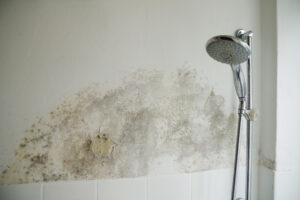
- Mold growth has spread under the flooring
- The subfloor has sustained structural damage
- Water damage was left untreated for a long period
At Water Rehab & Restoration, we assess each situation carefully. Our goal is always to restore hardwood floors whenever possible to minimize repair costs for homeowners.
When to Call Professional Water Damage Restoration Experts
While small spills may dry naturally, water trapped under hardwood floors often requires professional help. Moisture beneath flooring can spread into the subfloor, insulation, and surrounding structures.
Professional restoration services use advanced equipment designed for deep structural drying. This includes moisture detection tools, air movers, and industrial dehumidifiers.
Calling professionals is recommended when:
- Water has been present for more than 24 hours
- Hardwood floors are buckling or cupping
- The subfloor is wet
- Mold growth is suspected
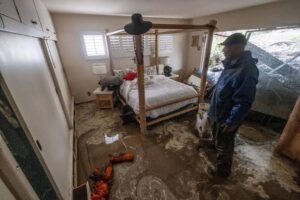
- Flooding has occurred
Fast professional action can prevent further damage and significantly reduce repair costs.
Protect Your Hardwood Floors From Future Water Damage
Preventing future water damage is just as important as fixing current problems. Hardwood floors require regular maintenance and quick responses to moisture issues.
Here are simple steps homeowners can take to protect their floors:
- Inspect plumbing and appliances regularly
- Clean up spills immediately
- Maintain proper indoor humidity levels
- Check roofs and windows for leaks
- Install water leak detectors near appliances
These preventative measures can help protect your home and reduce the risk of hidden water damage beneath hardwood flooring
Frequently Asked Questions
How do you dry water under hardwood floors?
To dry water under hardwood floors, first stop the leak and remove standing water. Then increase airflow with fans and use dehumidifiers to remove moisture. Monitoring moisture levels with a meter helps ensure proper drying. Severe cases may require professional water damage restoration equipment for deep structural drying.
Can water trapped under hardwood floors dry on its own?
Water trapped under hardwood floors may dry naturally if the moisture is minimal and airflow is good. However, trapped water often spreads into the subfloor and can cause mold growth or wood warping. Professional drying equipment is usually required to remove hidden moisture effectively.
How long does it take hardwood floors to dry after water damage?
Hardwood floors typically take 3 to 7 days to dry after water damage. The timeline depends on the amount of moisture, humidity levels, and airflow. Professional restoration companies use industrial dehumidifiers and air movers to speed up the drying process and prevent further structural damage.
What are the signs of water under hardwood floors?
Common signs of water under hardwood floors include cupping boards, buckling wood, dark stains, musty odors, and soft spots in the flooring. These symptoms indicate moisture beneath the surface and may suggest subfloor damage or potential mold growth if not addressed quickly.
Can hardwood floors be repaired after water damage?
Yes, hardwood floors can often be repaired after water damage if the issue is addressed quickly. Professional water damage restoration services can dry the wood and subfloor using structural drying techniques. However, severe warping, mold growth, or structural damage may require replacing sections of the flooring.
Need Professional Help With Water Damage?
Water trapped under hardwood floors can quickly lead to serious problems. If left untreated, moisture can cause structural damage, mold growth, and expensive repairs.
At Water Rehab & Restoration, we specialize in water damage restoration, structural drying, and hardwood floor moisture removal. Our experienced team uses advanced equipment to detect hidden moisture and restore your home safely.
If you suspect water under your hardwood floors, do not wait until the damage becomes worse.
Contact Water Rehab & Restoration today for fast, reliable water damage restoration services. Our team is available 24/7 to help protect your home and restore your peace of mind.