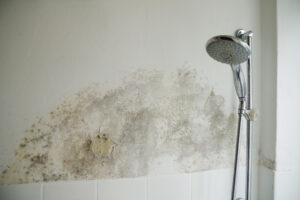

You dried the carpet, ran a few fans, and the water is long gone — so why does your home still have a musty smell after water damage? That damp, stale odor is one of the most common calls we get from Texas homeowners, and it’s rarely just a smell problem. In most cases, a musty smell after water damage means moisture is still trapped somewhere you can’t see.
In this guide, we’ll walk through what actually causes that lingering odor, whether it’s a sign mold is already growing, how long you should expect the smell to last, and the best ways to get rid of it — from simple DIY fixes to when it’s time to call in a professional.
Key Takeaways
- A musty smell after water damage almost always means moisture is still present somewhere in your home, even if every surface looks dry.
- Odor can show up before any visible mold — don’t wait for stains or discoloration before addressing it.
- DIY methods like dehumidifiers, baking soda, and better ventilation can help with minor, early-stage odors.
- If the smell lingers more than a few days, the underlying moisture source likely hasn’t been fully addressed.
- A professional inspection is the most reliable way to find hidden moisture and stop the smell — and mold risk — for good.
What Causes That Musty Smell After Water Damage?
That musty smell is caused by trapped moisture — and the organic materials, dust, and bacteria breaking down within it. Even after visible water is gone, a damp house smell can linger for days or weeks if moisture has soaked into materials that dry slowly, like wood, drywall, insulation, or subflooring. This is one of the most overlooked causes of a lingering moisture odor after a water damage incident: the surface dries fast, but what’s underneath doesn’t.
Common Places Musty Odors Hide
- Under flooring and hardwood — water travels sideways along subfloors long after the surface looks dry.
- Inside walls and insulation — drywall and insulation trap hidden moisture causing odor for weeks.
- HVAC and ductwork — an HVAC musty smell often means your air conditioning system is recirculating the odor (and spores) throughout the house.
- Basements and crawl spaces — a musty smell in basement after flood situations is extremely common because these areas dry the slowest.
Is a Musty Smell After Water Damage a Sign of Mold?
Often, yes — but not always. A musty smell but no visible mold is actually one of the most common scenarios homeowners face, because odor-causing mold growth frequently starts inside walls, under flooring, or behind baseboards long before it’s visible on a surface.
So how to tell if musty smell means mold? A general damp house smell tends to be flat and fade with airflow, while an active mold smell vs mildew smell is typically sharper, earthier, and gets stronger in enclosed, humid spaces. If the odor is concentrated in one area and doesn’t improve with ventilation, treat it as a strong sign of active growth.
When Musty Smell Signals a Bigger Problem
A persistent odor can also affect indoor air quality after water damage, especially if the water involved was from a contaminated source (like a sewage backup) rather than a clean water leak. If your water damage involved anything beyond a clean-water source, the smell should be treated as a health consideration, not just a nuisance.
Still Smell Something Off After Water Damage?
How Long Does Musty Smell Last After Water Damage?
For a minor, properly dried incident, a mild musty smell can clear up within 2–5 days with good ventilation and dehumidification. But if the smell lingers longer than a week — or keeps coming back after rain or high humidity — that’s a strong sign the drying process wasn’t complete, or that mold has already started to establish itself somewhere out of sight.
DIY Ways to Get Rid of Musty Smell After Water Damage
If the water damage was minor and fully dried within 24–48 hours, these steps can help you get rid of musty smell after water damage on your own:
- Air Out the Space — Learning how to air out a house after water damage is step one. Open windows and use fans to create cross-ventilation for several hours a day.
- Use a Dehumidifier — Knowing how to use a dehumidifier to remove musty smell properly means running it continuously in the affected room until humidity drops below 50%.
- Baking Soda — Baking soda for musty smell works well on carpets and upholstery — sprinkle, let sit for several hours, then vacuum thoroughly.
- Activated Charcoal — Activated charcoal for odor removal is effective for smaller enclosed spaces like closets or cabinets affected by dampness.
- Clean Affected Carpet and Fabrics — If you’re dealing with how to get rid of wet smell in carpet, a wet/dry vacuum followed by a carpet-safe enzymatic cleaner is your best bet.
- Wipe Down Walls and Trim — For how to remove damp smell from walls, use a mild vinegar-water solution on washable surfaces, then dry the area completely.
- Try Natural Odor Absorbers — Looking for natural ways to remove musty odor from house? White vinegar bowls, activated charcoal bags, and good airflow are safe first steps before reaching for stronger chemical products.

When DIY Isn't Enough: Professional Odor Removal Solutions
When home remedies don’t resolve the smell, it’s usually because the moisture source itself hasn’t been addressed. Professional odor removal after water damage goes beyond masking the smell — it targets the source. Our water damage deodorization services typically include:
- Ozone treatment for musty smell — breaks down odor molecules at a chemical level rather than covering them up.
- Hydroxyl generators — a safer alternative to ozone that can run while the space is occupied.
- Thermal fogging — penetrates porous materials like fabric and wood to neutralize deep-set odors.
- Targeted moisture detection — using thermal imaging and moisture meters to find hidden pockets fans and dehumidifiers can’t reach.
Signs You Need a Professional Inspection
- The smell persists after a full week of DIY effort.
- You notice visible discoloration, staining, or warping nearby.
- The odor comes back every time it rains or humidity spikes.
- You’re searching for mold and odor remediation near me because you suspect it’s more than surface-level.
DIY Isn't Cutting It?
Musty Smells in Texas Homes: Why Humidity Makes It Worse
Humidity and musty smell in Texas homes go hand in hand. Between our hot, humid summers and heavy spring storm season, homes across Dallas, Fort Worth, Plano, and Arlington are more prone to lingering odors after water damage than homes in drier climates. Air conditioning systems that run nearly year-round can also circulate a musty smell throughout the house if condensation builds up in the ductwork.
If you’re dealing with musty smell after water damage in Dallas or the surrounding metro area, don’t wait on humidity to “dry it out” — in our climate, it usually works the opposite way. Water damage odor removal in Texas almost always requires active dehumidification, not just time.
Frequently Asked Questions
Is musty smell after water damage dangerous?
It can be, depending on the cause. A musty smell on its own isn't harmful, but it often signals mold growth or bacteria from contaminated water, both of which can affect indoor air quality and, in some cases, respiratory health.
How long does musty smell last after water damage?
For minor, fully dried incidents, the smell typically clears within 2–5 days. If it lingers beyond a week, the moisture source likely hasn't been fully resolved.
Can a musty smell go away without professional help?
Yes, for small, well-ventilated, quickly dried areas. But if the odor persists, spreads, or returns with humidity, DIY methods usually aren't enough to fully resolve it.
What does it mean if there's a musty smell but no visible mold?
It often means mold or trapped moisture is present somewhere you can't see yet — behind walls, under flooring, or inside HVAC ductwork. A moisture inspection is the best way to confirm what's happening.
How much does musty smell removal cost after water damage?
Cost depends on the extent of the moisture and whether mold remediation is also needed. Simple deodorization treatments cost less than jobs requiring moisture detection, containment, and mold removal. A professional inspection is the best way to get an accurate estimate for your situation.
The Bottom Line
A musty smell after water damage is your home’s way of telling you moisture is still around — even if you can’t see it. DIY steps like dehumidifiers, baking soda, and better ventilation can help with minor cases, but a lingering or returning odor almost always means it’s time for a professional inspection.
Water Rehab Restoration offers fast, thorough moisture detection and odor removal across Dallas, Fort Worth, Plano, Arlington, and the surrounding Texas communities, available 24/7.