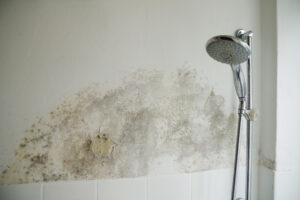

Water damage can sneak up on you. One minute your home or business looks fine, and the next you’re dealing with soggy carpets, warped wood floors, or musty odors that just won’t go away. Whether it’s the result of a major flood or a slow leak behind the scenes, water can be one of the most destructive forces to your property if the issue is not caught early. At Water Rehab & Restoration, we know firsthand how important it is to recognize the early warning signs and act fast.
This detailed water damage checklist will help you know exactly what to look for when inspecting your home or business for potential damage. It’s especially helpful after heavy rain, flooding, plumbing issues, or when buying or selling a property.
Key Takeaways
- Inspect ceilings, walls, and floors for discoloration, warping, or peeling paint as signs of water intrusion.
- Check basements, attics, crawl spaces, and under sinks for mold, musty smells, or wet insulation.
- Watch for leaking appliances, HVAC issues, and condensation buildup around windows or pipes.
- Don’t ignore musty odors or unexplained allergy symptoms—these could be signs of hidden water damage.
- After storms or floods, look for water lines, wet drywall, and electrical issues.
- Prevent future damage by installing water sensors, scheduling inspections, and maintaining proper drainage around your home.
Why Water Damage Is a Big Deal
Water damage isn’t just about soggy walls or stained ceilings. It can lead to mold growth, weaken structural materials, and create long-term health and safety risks. The earlier you catch it, the better your chances are of minimizing the damage and keeping those restoration costs down.
Water can come from several sources: leaking pipes, damaged roofs, poor drainage, appliance failures, or even a backed-up sewer line. Each source carries its own risks and signs, so it’s important to do a thorough inspection.
Water Damage Checklist: Here’s What to Look For
This checklist is divided into specific areas of your property so you can systematically go through each space and look for the most common warning signs.
1. Ceilings and Walls
Water often leaves visible signs on ceilings and walls, especially if it has been leaking from above or behind the drywall.
Look for:
- Discoloration: Brown or yellow stains on ceilings or walls are a classic indicator.
- Peeling paint or wallpaper: Water causes adhesion to fail, leading to bubbling or peeling.
- Sagging or soft spots: Press gently against the surface. If it feels spongy or soft, water may be trapped behind the surface.
- Cracks: Small cracks can turn into bigger problems if they’re caused by water intrusion.
2. Floors
Different flooring types react differently to water, but they all show signs eventually.
Inspect for:
- Warped or buckling wood: Wood and laminate floors tend to swell or cup when wet.
- Loose tiles: Water under tile flooring can cause them to shift or pop up.
- Wet carpet or padding: If your carpet feels damp or has a musty smell, the padding underneath may be saturated.
- Stains or white marks: Mineral deposits can leave white stains on concrete or stone.
3. Windows and Doors
These areas are vulnerable to leaks, especially during storms or when seals start to fail.
Check for:
- Condensation between window panes: This can signal seal failure, letting in moisture.
- Soft or swollen frames: Wood window frames may become warped or rotten.
- Water pooling on windowsills: This can mean poor drainage or improper sealing.
- Rust on hinges or locks: Rust is a sign that water has been sitting for too long.
4. Basements and Crawl Spaces
These are some of the most common places where hidden water damage occurs.
Inspect for:
- Musty odor: One of the earliest indicators of water intrusion and potential mold growth.
- Visible mold: Even a small patch is a red flag.
- Efflorescence on walls: A chalky white deposit on masonry that indicates moisture is coming through.
- Cracks in the foundation: Water can seep through even hairline cracks.
- Standing water or wet floors: Any pooling water needs immediate attention.
5. Kitchens and Bathrooms
These rooms deal with water daily, making them prime spots for hidden damage.
Be on the lookout for:
- Cabinet warping or discoloration: Water damage can occur from leaks under sinks.
- Loose or cracked grout and caulk: Water can seep behind tile and cause long-term issues.
- Water stains under sinks: Use a flashlight to look deep into cabinets for stains or warping.
- Leaky faucets, toilets, or dishwashers: Even a slow drip can cause major problems over time.
6. Attics and Roofs
Your attic can tell you a lot about the health of your roof and how well it’s keeping water out.
Inspect for:
- Wet insulation: This often means a roof leak.
- Water stains on beams or plywood: Look for rings, dark spots, or mold.
- Visible light coming through the roof: If light can get in, so can water.
- Damaged or missing shingles: From the outside, inspect your roof regularly, especially after storms.
7. HVAC Systems and Appliances
Appliances are a common but often overlooked source of water damage.
Keep an eye on:
- Rust or corrosion on water heaters or A/C units: A sign of internal leaks.
- Condensation buildup: Excess moisture around units may indicate malfunction or poor ventilation.
- Hose connections: Check washing machines, dishwashers, and refrigerators for cracked or loose hoses.
- Drip pans and drain lines: These should be dry and clear of debris.
8. Odors and Mold
Your nose can often detect water damage before your eyes do.
Pay attention to:
- Musty smells: These are often caused by mold or mildew from excess moisture.
- Persistent dampness: If a room always feels humid or sticky, it may be retaining moisture.
- Allergy flare-ups: Increased coughing, sneezing, or asthma symptoms can be signs of hidden mold.
9. Exterior of the Property
Sometimes the source of water damage starts outside the home.
Examine:
- Gutters and downspouts: Make sure they’re clean and direct water away from the foundation.
- Drainage issues: Puddles near your home’s foundation can seep into the basement.
- Cracks in siding or brick: Water can infiltrate these tiny gaps.
- Yard slope: The ground should slope away from your property to prevent water from pooling near the foundation.
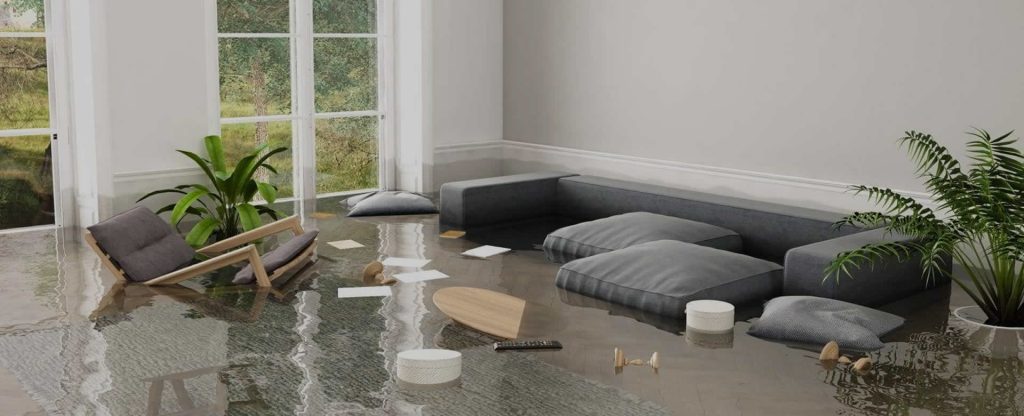
10. After a Storm or Flooding
If you’ve recently experienced a weather event or plumbing failure, do a full inspection with extra caution.
Check for:
- Visible water lines on walls or furniture: Indicates how high the water rose.
- Electrical issues: Flickering lights or non-functioning outlets can point to water-damaged wiring.
- Swollen drywall or baseboards: Indicates significant water saturation.
- Hidden moisture: Even if everything looks dry, water can hide behind walls and under flooring. A professional moisture inspection may be needed.
When to Call in the Pros
If you have identified signs of water damage, it’s time to bring in a professional team like Water Rehab & Restoration. We use advanced tools like moisture meters and thermal imaging cameras to find hidden water and prevent long-term problems. More importantly, we take care of the full restoration process, from water removal and drying to structural repairs and mold prevention.
Even if the damage seems small, water has a way of spreading quickly and quietly. The sooner you address it, the less risk you face for secondary issues like mold growth or structural weakening.
Prevention Tips
While this checklist is designed to help you spot damage after the fact, it’s just as important to focus on preventing issues in the first place. Here are a few proactive steps:
- Install water alarms and leak detectors in high-risk areas.
- Schedule annual roof and plumbing inspections.
- Keep gutters and downspouts clear and in good working order.
- Monitor your water bill. An unexplained spike can indicate a hidden leak.
- Upgrade old appliances and hoses to newer, more durable models.
Need Help? We’re Just a Call Away.
At Water Rehab & Restoration, we specialize in helping homeowners and business owners recover from water damage quickly and professionally. Whether it’s a small leak or major flooding, we’re here to restore your space and peace of mind.
If you’ve spotted any of these signs or just want a professional second opinion, don’t wait. Let us take care of the water, so you can get back to your everyday routine without worry. Call us today to get started.