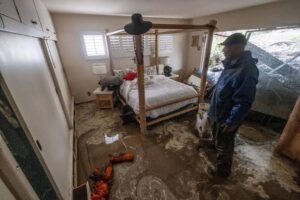
Water damage in walls is one of the most common problems homeowners face after a plumbing leak, roof leak, or flooding event. Unfortunately, the damage is not always visible right away. Moisture can become trapped behind drywall and insulation, causing hidden issues that worsen over time.
If left untreated, water damage in walls can lead to mold growth, weakened building materials, and expensive repairs. That is why homeowners need to act quickly when a leak occurs. Knowing how to remove water from walls after a leak can help reduce damage and protect your home.
At Water Rehab & Restoration, we help homeowners throughout Texas identify, dry, and restore water-damaged walls. In this guide, we explain the risks of wall moisture, how to remove moisture from walls, and when professional restoration services may be necessary.
Key Takeaways
- Water damage in walls can spread quickly and remain hidden for days.
- Wet drywall and insulation create ideal conditions for mold growth.
- Fast drying helps prevent structural damage and costly repairs.
- Professional moisture detection can identify hidden water damage.
- Water damage restoration experts can safely dry and repair affected areas.
Why Water Damage in Walls Is a Serious Problem
Many homeowners assume that once a leak stops, the problem is solved. However, water damage in walls often continues long after the source of water has been addressed. Moisture trapped inside wall cavities can spread to drywall, insulation, and wooden framing.
This hidden moisture can weaken structural materials and reduce indoor air quality.
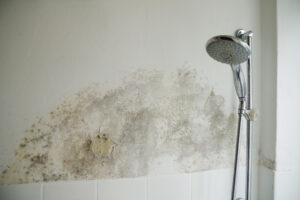
Furthermore, mold spores thrive in damp environments and may begin growing within 24 to 48 hours. Because of this, even a small leak can become a major restoration issue.
Ignoring water damage can also significantly increase repair costs. What begins as a minor leak may eventually require drywall replacement, mold remediation, and extensive wall water damage repair.
Common Risks of Water Damage in Walls
- Mold growth behind drywall
- Water damaged drywall and insulation
- Structural wood deterioration
- Peeling paint and wall discoloration
- Increased indoor humidity
- Musty odors throughout the home
For additional guidance, homeowners can review our blog post titled “What Happens if Water Damage Is Left Untreated?”
GET 24/7 WATER DAMAGE RESTORATION HELP
Signs There Is Water Damage in Walls
Water damage is not always obvious. In many cases, moisture remains hidden behind walls until visible symptoms appear. Recognizing the signs of water damage in walls early can help minimize damage and restoration costs.
Homeowners should inspect their property after leaks, storms, or plumbing failures. Even if the affected area appears dry, hidden moisture may still be present.
Common Signs of Water Damage in Walls
- Brown or yellow water stains
- Bubbling, cracking, or peeling paint
- Soft or swollen drywall
- Warped wall surfaces
- Musty odors
- Visible mold growth
- Increased humidity indoors
These symptoms often indicate moisture intrusion behind the wall surface. When ignored, hidden water damage may spread to surrounding building materials.
If you suspect wall moisture, see our guide, “What Are the Common Signs of Water Damage?“, which offers additional insights.
How to Remove Water From Walls After a Leak
Learning how to remove water from walls after a leak is critical for preventing further damage. Quick action can significantly reduce the risk of mold growth and structural deterioration.
Although every situation is different, the general drying process follows several important steps.
Step 1: Stop the Water Source
Before beginning any cleanup, stop the leak completely. Whether the problem originates from plumbing, roofing, or appliances, repairs must be made first.
Without eliminating the source, moisture will continue entering the wall.
Step 2: Assess the Extent of Damage
Carefully inspect the affected area. Look for water stains, soft drywall, and other visible signs of damage.
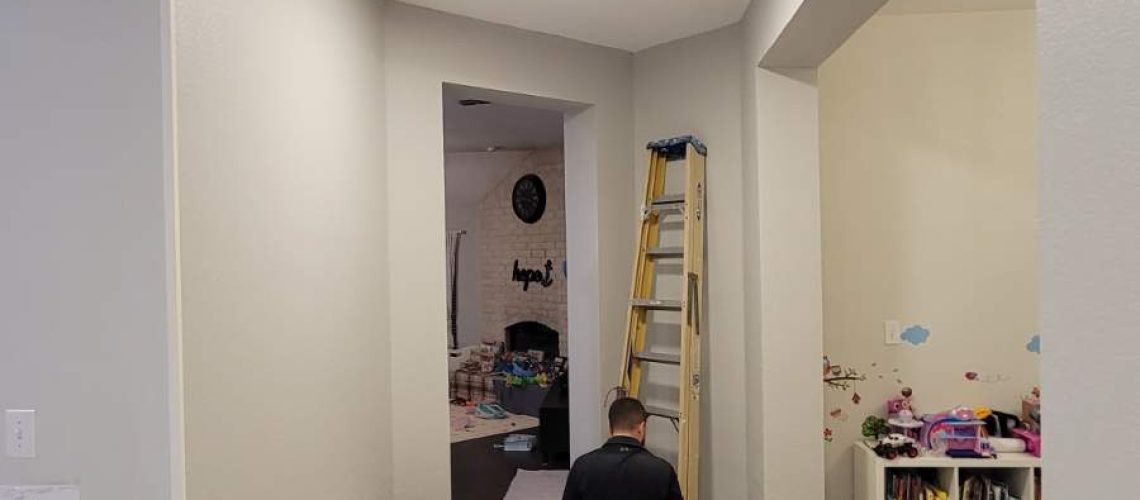
Professional restoration companies often use moisture meters and thermal imaging tools to detect hidden moisture.
Step 3: Remove Excess Water
If water is visible, remove it immediately using towels, wet vacuums, or extraction equipment. Fast water removal helps prevent further absorption into drywall and insulation.
Step 4: Increase Airflow
Air circulation is essential when drying walls after water damage. Place fans near affected walls to encourage evaporation.
Good airflow speeds up the drying process and reduces moisture buildup.
Step 5: Use Dehumidifiers
Dehumidification removes excess moisture from the air. This process helps dry water damaged drywall and other building materials more effectively.
Commercial-grade dehumidifiers are particularly useful for larger water damage situations.
Step 6: Monitor Moisture Levels
Even after walls appear dry, moisture may remain hidden. Professional moisture detection equipment ensures all affected materials have returned to safe moisture levels.
REQUEST PROFESSIONAL STRUCTURAL DRYING
How Long Does It Take Walls to Dry After Water Damage?
Drying times vary depending on the severity of the leak and the materials involved. While minor moisture issues may dry within a few days, more extensive damage often requires professional intervention.
Most walls take between three and five days to dry under ideal conditions. However, drying may take longer if insulation, wood framing, or multiple wall sections are affected.
Factors That Affect Drying Time
- Amount of water present
- Type of wall materials
- Indoor humidity levels
- Ventilation quality
- Dehumidification efforts
- Hidden moisture behind drywall
Professional structural drying systems help accelerate drying while reducing the risk of secondary damage.
How to Prevent Mold Growth in Water-Damaged Walls
Mold is one of the most serious consequences of wall moisture. Since mold spores naturally exist indoors, they only need moisture and organic materials to begin growing.
Because drywall and wood provide ideal food sources, water-damaged walls often become mold hotspots if not dried quickly.
Ways to Prevent Mold Growth
- Remove water immediately
- Dry walls within 24–48 hours
- Use dehumidifiers and air movers
- Improve ventilation
- Inspect for hidden moisture
- Replace severely saturated materials
Preventing mold is far easier and less expensive than removing it later. Therefore, prompt action should always be a priority.
For more information, visit our article titled “How to Prevent Mold Growth After Water Damage.”
SCHEDULE A FREE WATER DAMAGE INSPECTION
When to Call Water Damage Restoration Professionals
Some leaks can be handled with basic drying methods. However, larger water damage situations often require specialized equipment and expertise.
Professional water damage restoration services help ensure complete moisture removal. They also reduce the risk of hidden mold growth and structural issues.
You should contact a restoration professional if:
- Water damage affects multiple walls
- Moisture has been present for more than 24 hours
- Mold is visible
- Drywall feels soft or crumbles
- Strong musty odors persist
- The source of moisture is difficult to locate
At Water Rehab & Restoration, we use advanced moisture detection, water extraction, and structural drying equipment to restore affected areas safely and efficiently.
Homeowners concerned about severe damage may also find our article How to Tell if Water Damage Is Serious helpful.
Water Damaged Drywall: Repair or Replace?
One of the most common questions homeowners ask is whether water damaged drywall can be repaired. The answer depends on the extent of the damage.
Minor moisture exposure may only require drying and cosmetic repairs. However, drywall that remains wet for extended periods often loses structural integrity.
Drywall Should Usually Be Replaced If:
- It has started crumbling
- Mold growth is present
- Water saturation is severe
- The drywall has warped significantly
- The leak remained unnoticed for days
Professional inspections help determine whether drying or replacement is the best solution.
Protect Your Home From Water Damage in Walls
Water damage in walls can quickly become a serious problem if moisture remains trapped behind surfaces. However, prompt action and proper drying can help prevent mold growth, structural deterioration, and expensive repairs.
By understanding the signs of water damage in walls and knowing how to remove water from walls after a leak, homeowners can protect their property and reduce restoration costs.
Frequently Asked Questions
How do you remove water from walls after a leak?
To remove water from walls after a leak, first shut off the water. Then remove excess moisture, increase airflow with fans, and use dehumidifiers to dry the affected area. For hidden moisture inside walls, professional water damage restoration services may be needed to ensure complete drying.
Can walls dry on their own after water damage?
Walls may dry on their own if the moisture is minor and addressed quickly. However, water trapped inside drywall and insulation often remains hidden and can lead to mold growth or structural damage. Proper drying and moisture monitoring are recommended to prevent long-term issues.
How long does it take walls to dry after water damage?
Most walls take between 3 and 5 days to dry after water damage. However, drying time depends on the amount of water, humidity levels, wall materials, and airflow. Severe water damage may require professional structural drying equipment to speed up the process.
Does water in walls always cause mold?
Water in walls does not always cause mold, but mold can begin growing within 24 to 48 hours if moisture remains. Fast water removal, proper ventilation, and dehumidification significantly reduce the risk of mold growth inside walls and building materials.
What are the signs of water damage in walls?
Common signs of water damage in walls include water stains, peeling paint, bubbling drywall, musty odors, warped surfaces, and visible mold growth. These symptoms often indicate hidden moisture behind the wall and should be inspected promptly to prevent further damage.
Trust Water Rehab & Restoration for Expert Water Damage Recovery
When water damage affects your walls, you need fast and reliable help. At Water Rehab & Restoration, our experienced team provides water extraction, structural drying, moisture detection, and wall water damage repair services throughout Texas.
Contact Water Rehab & Restoration today for 24/7 emergency water damage restoration services. We are ready to help restore your home and prevent further damage.