When people think of water damage, they usually imagine burst pipes, flooded basements, or leaky ceilings with visible stains. And while those are definitely clear indicators, not all water damage is easy to spot. In fact, some of the most serious damage can happen slowly, quietly, and behind the scenes, causing long-term problems before you even notice anything is wrong.
At Water Rehab & Restoration, we’ve seen firsthand how easily water damage can go unnoticed and how costly it can become if left untreated. In this guide, we’ll break down why water damage isn’t always obvious, how to spot subtle signs, what causes hidden damage, and what steps to take if you suspect an issue. Let’s dive in.
Key Takeaways
- Water damage is not always obvious. It can hide behind walls, under floors, or in areas you don’t normally inspect.
- Slow leaks, appliance issues, and roof or foundation problems are common sources of hidden damage.
- Warning signs include musty odors, warped floors, bubbling paint, high water bills, and mold growth.
- Left untreated, hidden water damage can lead to mold, structural problems, electrical hazards, and health risks.
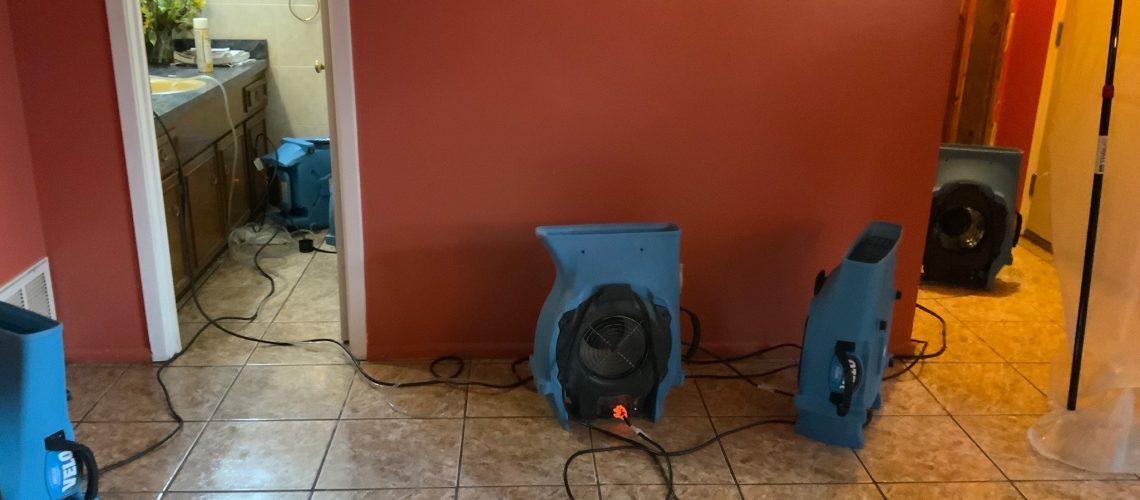
- Professional inspections and moisture detection tools are essential for uncovering hidden damage.
- Water Rehab & Restoration offers full-service solutions, from detection and removal to restoration and prevention.
- Fast action is key. If you suspect damage, don’t wait. Call in the pros and protect your home from escalating issues.
Why Water Damage Isn’t Always Obvious
Water damage doesn’t always announce itself with dramatic flooding or soggy carpets. In many cases, it hides in plain sight or develops in places you don’t usually look. Here’s why:
- Slow Leaks: A tiny drip behind a wall or under a sink can go unnoticed for weeks or months.
- Hidden Locations: Water can accumulate in crawl spaces, behind drywall, or under flooring.
- Evaporation: In warmer, dry conditions, water might evaporate quickly, leaving behind subtle structural damage or mold.
- Delayed Symptoms: Damage from moisture may not show until materials weaken, paint bubbles, or mold becomes visible.
These subtle or hidden forms of damage can be just as dangerous than the ones that make an immediate mess, if not more so.
Common Causes of Hidden Water Damage
Even if everything looks fine, water damage can be quietly taking place. Here are some of the most common sources of hidden damage:
1. Leaky Plumbing
Pipes running through walls or ceilings can leak slowly over time. You might not see the damage until the drywall becomes discolored or mold begins to form.
2. Appliance Malfunctions
Washing machines, dishwashers, refrigerators, and water heaters can leak from hoses, seals, or drainage systems. Often, these leaks are small and gradual—but persistent enough to cause major problems.
3. Roof Leaks
A tiny hole in your roof might not create a visible drip inside your home. Instead, water can collect in the attic or insulation, slowly saturating the structure.
4. HVAC Systems
Air conditioning units, especially those in attics or basements, can generate condensation or experience drainage issues that lead to moisture buildup.
5. Foundation Cracks
Cracks in your foundation can allow groundwater to seep into the home. This is common in areas with poor drainage or heavy rainfall.
6. Clogged Gutters
When gutters are blocked, rainwater can overflow and soak into walls or the foundation, leading to slow, hidden damage that gets worse as time passes.
Subtle Signs of Water Damage to Watch For
You don’t need to be a restoration expert to spot the early signs of water damage. Here are a few red flags that something might be wrong beneath the surface:
- Discoloration or Stains: Brown, yellow, or darker spots on walls or ceilings may indicate moisture intrusion.
- Warped or Buckled Flooring: Wood and laminate floors may expand, ripple, or pull away from the subfloor when moisture is present.
- Musty Odors: A persistent damp or “earthy” smell is often a sign of hidden mold or mildew.
- Peeling or Bubbling Paint: Paint or wallpaper may start to bubble, crack, or peel due to moisture behind the wall.
- Increased Utility Bills: A spike in your water bill might point to a hidden leak somewhere in the system.
- Mold Growth: Mold thrives in damp environments, so even small patches can suggest ongoing water issues.
- Sagging Ceilings: Ceilings that bow or dip may be holding water, even if it’s not leaking yet.
- Cracks in Walls or Foundation: While not always caused by water, new or growing cracks may indicate moisture is affecting structural integrity.
Why Ignoring Hidden Water Damage Is Risky
Just because you can’t see the damage doesn’t mean it’s harmless. In fact, ignoring subtle signs of water issues can lead to:
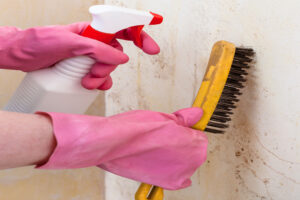
- Mold Growth: Mold can begin growing within 24–48 hours of moisture exposure. Once it spreads, removal becomes more complicated and costly.
- Structural Damage: Moisture weakens wood, drywall, insulation, and even concrete. Over time, this can lead to rotting, warping, and instability.
- Electrical Hazards: Water and electricity don’t mix. If moisture reaches wiring or outlets, it can become a serious safety hazard.
- Decreased Property Value: Water damage can drastically reduce a home’s resale value, especially if there is mold or structural concerns.
- Health Risks: Prolonged exposure to mold or poor air quality from hidden water damage can lead to respiratory issues, allergies, and other health problems.
What to Do If You Suspect Hidden Water Damage
Not sure if something’s wrong? Here’s what we recommend:
- Trust Your Instincts: If something seems off—an odor, a soft spot on the wall, or increased humidity—don’t ignore it.
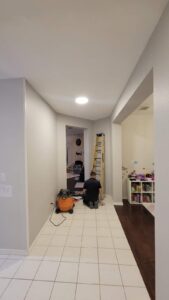
- Call a Professional: A certified restoration company (like us!) has the tools and training to assess damage you can’t see.
- Avoid DIY Demolition: Tearing open walls or ceilings without proper moisture tracking can make things worse or expose hazardous mold.
- Act Quickly: The longer moisture lingers, the greater the chance of long-term damage. Addressing it early is always the better option.
- Document Everything: If insurance is involved, take pictures, note dates, and keep track of any changes to your home.
Why Choose Water Rehab & Restoration?
We’re not just in the restoration business—we’re in the people business. Our friendly, experienced team treats your home like our own. When you work with Water Rehab & Restoration, you can count on:
- Fast, responsive service
- Thorough and transparent inspections
- Certified technicians who care
- Modern technology for accurate detection
- Clear communication and honest recommendations
- Complete restoration services from start to finish
Whether you’re facing an emergency leak or simply want peace of mind, we’re here to help you restore, recover, and protect your home.
Water damage isn’t always loud or dramatic, but it’s always serious. If you are unsure whether something is off in your home, let Water Rehab & Restoration take a look. We’ll uncover the problem, walk you through the next steps, and help you get your property back to a clean, dry, and healthy condition.
Call Water Rehab & Restoration today for expert help you can trust.