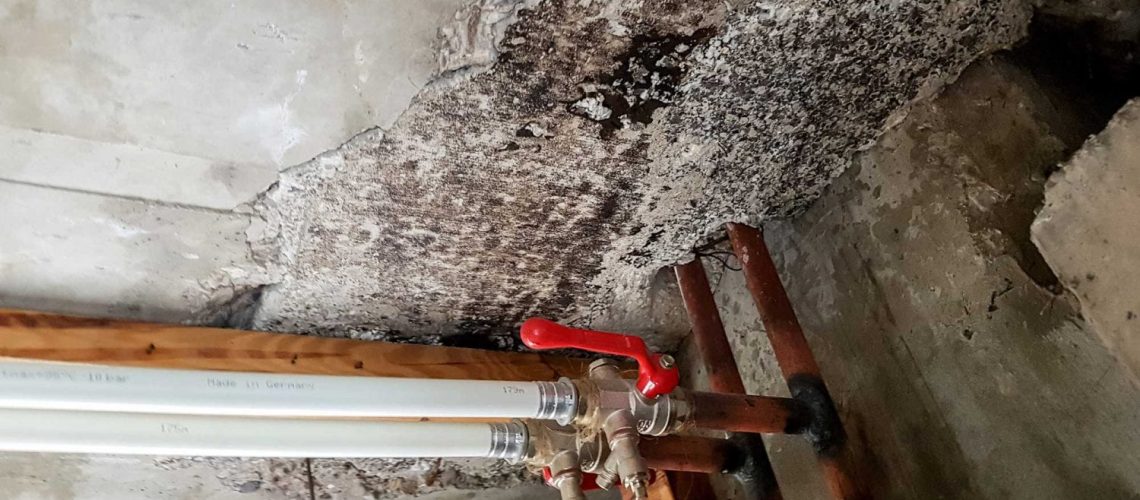
At Water Rehab & Restoration, we often get asked this question: “If the water damage has been taken care of, can mold still grow?” It’s a great question—and the answer might surprise you.
Yes, mold can still grow even after a water damage restoration job is “complete”, especially if the restoration process didn’t fully address all hidden moisture. That’s why we approach every water damage project with a mold prevention mindset from day one.
Let us walk you through the reasons mold might still show up after water damage, what signs to look out for, and how to make sure your home or business stays dry, safe, and mold-free long after cleanup.
Key Takeaways
- Mold can still grow after water damage has been restored if moisture isn’t fully eliminated.
- Improper or incomplete drying is the most common reason mold returns.
- Mold only needs 24–48 hours in a damp space to start growing.
- Hidden water behind walls, under floors, or in insulation can feed mold growth.
- Professional water damage restoration includes moisture detection to prevent mold issues.
- Even a “dry” surface might harbor moisture deep within porous materials.
- Post-restoration mold inspections can catch growth early before it spreads.
- Air quality testing may be needed if mold odors persist after restoration.
- Homeowners should monitor for musty smells, discoloration, or allergy symptoms.
- Trusting certified professionals ensures long-term protection against mold.
What Mold Needs to Grow
Mold is a living organism, and like any living thing, it needs specific conditions to thrive. Here’s what mold is looking for:
- Moisture (from water damage, humidity, or condensation)
- Organic material (drywall, wood, carpet, insulation, etc.)
- Darkness and stagnant air
- Time—just 24 to 48 hours
Unfortunately, many water-damaged spaces check all those boxes, especially if the cleanup wasn’t comprehensive.
Why Mold Might Still Grow After Water Damage Cleanup
So, you had water damage and someone came in to clean it up, or you took care of it yourself. Everything looks dry. So where’s the risk?
Here’s the truth: if the drying process wasn’t done thoroughly or professionally, mold might still have a chance to grow.
Let’s break down the most common reasons:
1. Hidden Moisture
Water can seep deep into porous materials like:
- Drywall
- Baseboards
- Subfloors
- Insulation
- Behind cabinets or inside walls
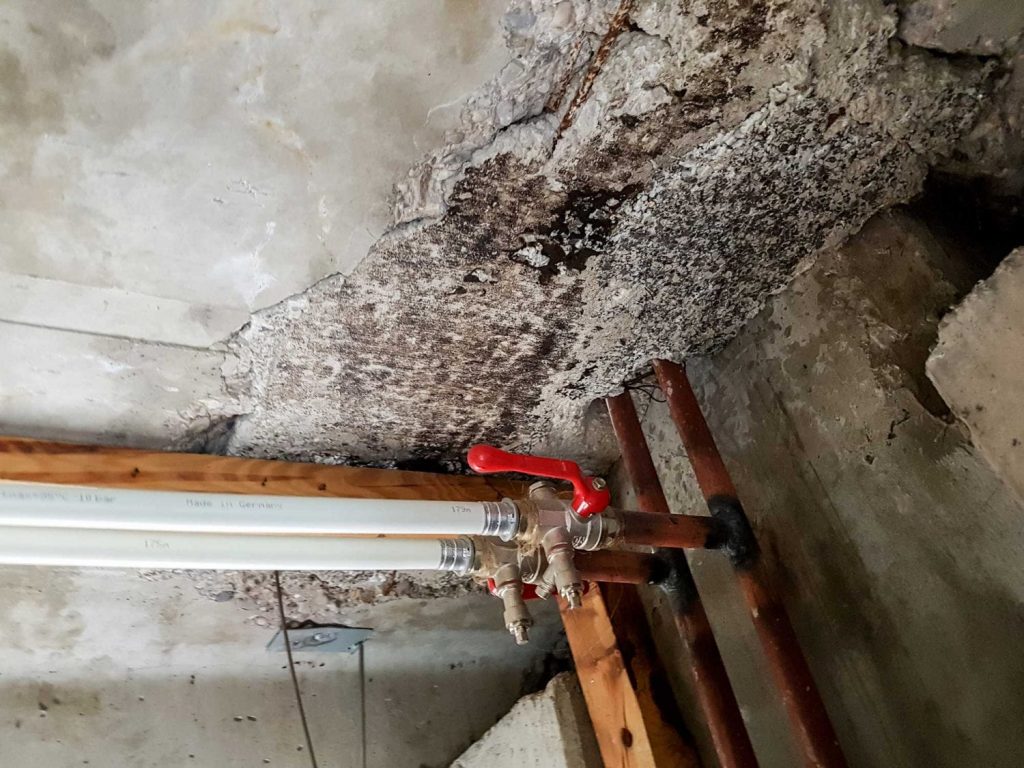
Even if the surface feels dry to the touch, there could still be dampness inside. If moisture levels remain high in those hidden spots, mold has a perfect breeding ground.
2. Improper Equipment or DIY Cleanup
Not all restoration companies are created equal. A wet vac and some fans won’t cut it when you’re dealing with extensive water damage. Professional-grade dehumidifiers, air movers, and moisture meters are essential for:
- Detecting water you can’t see
- Drying structural materials completely
- Preventing lingering humidity
3. High Indoor Humidity
Even after visible water is removed, the air can remain humid—especially in places like basements, attics, or closed-up rooms. Mold loves humidity, and high indoor moisture levels can trigger new growth.
4. Delayed Response Time
The longer the water sits, the higher the chance for mold growth. Mold can start developing in under 48 hours. If the initial response was delayed or incomplete, that window might have already opened the door for mold.
How Water Rehab & Restoration Stops Mold Before It Starts
At Water Rehab & Restoration, we take a proactive, not reactive, approach. Our job isn’t just to get rid of the water. It’s to protect your property from what could come after.
Here’s how we do it:
Moisture Mapping & Thermal Imaging
We use advanced tools to detect moisture deep within your walls, floors, and ceilings. Our infrared thermal imaging helps us pinpoint potential mold trouble spots, even if they’re invisible to the naked eye.
Industrial Drying Equipment
We deploy commercial-grade drying systems, including:
- Low-grain refrigerant (LGR) dehumidifiers
- Air movers and scrubbers
- Moisture sensors and hygrometers
This ensures every part of your structureis properly dried, not just what you can see and feel on the surface.
Mold-Resistant Treatments
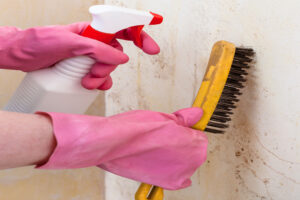
In areas with high risk, we apply antimicrobial solutions to kill existing mold spores and prevent regrowth. This is especially important in basements, crawlspaces, and behind baseboards.
Common Signs Mold Might Still Be Lurking
Wondering if mold might still be a problem after water damage restoration? Keep an eye out for:
- Musty or earthy odors
- Discoloration on walls or ceilings
- Warping or bubbling paint
- Persistent allergies or respiratory issues indoors
- Sudden worsening of asthma or sinus symptoms
Even if your home looks clean and dry, these symptoms can be signs of mold growing beneath the surface.
What If You Suspect Mold After Restoration?
Here’s what we recommend:
- Don’t ignore your gut. If something smells off or the air feels damp, trust your instincts.
- Call for a moisture inspection. Call an expert (like us!) to take a look and walk you through the best course of action.
- Consider indoor air quality testing. If symptoms persist but there’s no visible mold, air sampling may be needed.
- Act quickly. The longer you wait, the more time mold has to spread.
Long-Term Mold Prevention Tips
Even after a successful restoration, staying mold-free requires ongoing care. Here’s how to reduce your risk:
- Use a dehumidifier in damp areas (especially basements or crawlspaces)
- Ensure proper ventilation in kitchens, bathrooms, and laundry rooms
- Check for leaks regularly under sinks, around toilets, and in attics
- Keep gutters clean and direct water away from your foundation
- Inspect HVAC systems and change filters frequently
Why Professional Restoration Matters
It’s not just about drying things out, it’s about doing it right.
Water Rehab & Restoration is committed to providing more than surface-level solutions. Our certified team understands the science of structural drying and mold prevention. When we restore your home or business after water damage, we take every step to stop mold before it starts.
FAQs: Mold After Water Damage
- Can mold really grow if everything looks dry?
Yes. Mold can grow inside walls, under floors, and in insulation even if surfaces appear dry. - How long after water damage can mold show up?
Mold can begin growing within 24–48 hours of moisture exposure. - Will bleach kill mold I find after restoration?
Bleach only works on non-porous surfaces and often doesn’t reach mold roots in drywall or wood. - Should I have mold testing done after water damage?
If you notice musty smells or symptoms, it’s a smart move to have air quality testing or a professional inspection. - What’s the difference between mold removal and remediation?
Removal is surface-level; remediation addresses the source and prevents regrowth.
Don’t Let Mold Catch You Off Guard
Water damage restoration is a big first step, but it’s not the finish line. Mold is a sneaky, persistent issue that can rear its head after the cleanup if the job wasn’t done thoroughly.
At Water Rehab & Restoration, we know that real restoration means going beyond what’s visible. It means protecting your home, your family, and your peace of mind long after the water is gone.
If you’ve experienced water damage, don’t leave mold prevention to chance.
Call Water Rehab & Restoration Today
Whether you’re dealing with recent water damage, suspect hidden moisture, or want a second opinion after a previous restoration, our team is here to help. With state-of-the-art equipment, certified experts, and a customer-first mindset, we’ll make sure your space is safe, dry, and mold-free.
Your comfort and safety are our top priorities. Let’s get your property fully restored, inside and out. Call us today to schedule your personalized service.