At Water Rehab & Restoration, we’ve seen firsthand just how devastating a fire can be. Even after the flames are extinguished, you’re often left staring at a mess of soot, smoke, water damage, and lingering odors. It’s tempting to want to jump right in and fix things yourself, but fire damage restoration is a lot more complicated (and risky) than most people realize.
We completely understand the urge to take a DIY approach. After all, it might seem faster, cheaper, and more in your control, but unless you’re professionally trained, you might end up doing more harm than good, both to your home and to your health.
Let’s break it all down: what can you realistically handle on your own, and when is it time to call in the experts?
Key Takeaways
- DIY fire damage cleanup is risky and may not address hidden damage like smoke or structural issues.
- Health and safety should be your top concern. Fire sites often contain hazardous residues and other hazards that should be avoided.
- Professional fire damage restoration teams use specialized equipment and training to fully clean, deodorize, and restore your property.
- Time is critical. Delaying proper restoration can worsen damage and increase repair costs.
- Insurance claims are complex. Pros like Water Rehab & Restoration can help document losses and handle communication with adjusters.
- DIY efforts may void warranties or lead to non-compliance with local building codes.
- Call the pros if you want it done properly, safely, and quickly.
What’s Involved in Fire Damage Restoration?
Before deciding whether you can DIY fire damage restoration, it’s important to understand what the process actually entails. It’s not just sweeping up ashes and airing out the house.
Professional fire damage restoration typically includes:
- Emergency board-up and structural stabilization
- Smoke and soot residue cleanup
- Odor removal and air purification
- Water extraction and drying (from firefighting efforts)
- Structural repairs and rebuilds
- Inventory and contents cleaning
- Coordination with insurance companies
Each of these steps comes with its own set of challenges, risks, and specialized equipment.
Health Risks of DIY Fire Damage Cleanup
One of the biggest dangers of tackling fire damage yourself is exposure to hazardous materials. When materials burn, they release toxic chemicals into the air and onto surfaces, especially plastics, insulation, and treated wood.
Common health hazards include:
- Soot and ash that can irritate your lungs and eyes
- Carcinogenic compounds from melted plastics or synthetic materials
- Asbestos exposure (especially in older homes)
- Mold growth from water damage if drying isn’t done properly
- Structural instability (weakened beams, cracked drywall, sagging ceilings)
Without proper protective gear, respirators, and containment procedures, you could be exposing yourself and your family to serious health risks.
Why Addressing Smoke Damage Is Harder Than It Looks
Smoke doesn’t just smell bad. It can permeate every surface of your home, including behind walls and under flooring. It’s oily, acidic, and hard to remove completely.
Many homeowners attempt DIY deodorizing with vinegar, baking soda, or store-bought sprays. While these might help mask the smell temporarily, they don’t actually eliminate the source of the odor or the damage smoke can do to electronics, HVAC systems, or delicate materials.
At Water Rehab & Restoration, we use commercial-grade HEPA air scrubbers, ozone machines, and thermal fogging to reach and neutralize smoke particles deep within your home.
Water Damage After Fire? Yup, That Too.
Here’s something a lot of folks forget unless they are in the trenches: the water used to put out the fire can cause almost as much damage as the fire itself. We’re talking soaked drywall, warped floors, and the perfect breeding ground for mold.
If this water isn’t extracted and dried quickly and properly, it can lead to further structural damage, bad smells, and health issues. DIY shop vacs and box fans just won’t cut it.
Professionals use:
- Commercial dehumidifiers
- High-powered air movers
- Infrared moisture detection
- Anti-microbial treatments
It’s not just about drying what you can see. It’s about making sure hidden moisture isn’t wreaking havoc inside your walls or under your floors.
Can You Clean it Yourself? Maybe, but There Are Limits
Now, we’re not saying you can’t do anything yourself. In minor fire incidents, you might be able to safely:
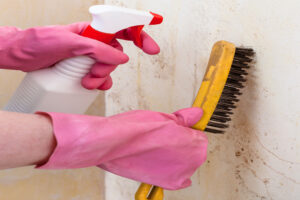
- Toss out obviously ruined items (with gloves and a mask!)
- Vacuum dry soot with a HEPA vacuum
- Wipe down non-porous surfaces with mild detergent
- Air out rooms (weather permitting)
But the key word here is minor. As soon as you’re dealing with strong odors, soaked building materials, or extensive soot, it’s time to step back and call in the pros.
Insurance and Documentation: Don’t Miss a Step
One thing homeowners often forget in the chaos is that your insurance company needs detailed documentation of the damage, including photos, itemized losses, restoration estimates, the whole works.
A DIY cleanup could make it harder to prove the full extent of the damage or recover what you’re owed. What’s worse, if you accidentally make things worse or remove important evidence of the fire’s cause, your claim could be denied or delayed.
Our team at Water Rehab & Restoration works directly with adjusters to make sure nothing gets missed. We document everything meticulously and help guide you through the claims process.
What You Could Miss Without Professional Help
Even the most motivated DIYer can overlook hidden problems like:
- Soot in your HVAC system that spreads toxins throughout the house
- Damage behind walls or ceilings that isn’t visible yet
- Unstable flooring or framing that could collapse
- Delayed mold growth from incomplete drying
- Code violations from amateur repairs
Professionals know where to look, what to test, and how to ensure your home is not only clean, but safe and up to code.
The Cost of DIY vs. Professional Restoration
It’s a common myth that going the DIY route saves money. But consider:
- The cost of tools and equipment rentals
- Potential medical costs from unsafe exposure
- Increased repair costs if you miss damage
- Reduced insurance reimbursement if documentation is lacking
- Value depreciation if the home isn’t properly restored
Hiring a professional team like Water Rehab & Restoration might feel like a bigger investment upfront, but in the long run, it could save you thousands and spare you from unnecessary stress.
What Makes Water Rehab & Restoration Different?
We get it. Fire damage is overwhelming. You want to get back to normal as fast as possible. That’s where we come in.
At Water Rehab & Restoration, we’re not just trained, we’re passionate about helping families recover safely, completely, and with as little disruption as possible. Our team is certified in fire and smoke damage restoration, water mitigation, and mold remediation. We bring decades of experience, state-of-the-art equipment, and a whole lot of heart.
We don’t just restore homes. We restore peace of mind.
Final Thoughts: Should You DIY Fire Damage Restoration?
If the fire was very minor and limited to a small area, there may be some light cleaning tasks you can handle yourself. But for anything larger, or if you want to be sure your home is safe, clean, and restored the right way, bringing in a professional is the best move.
Your health, safety, and long-term investment are too important to gamble on a DIY experiment.
Let’s Get You Back on Track
If you’ve experienced fire damage, don’t wait to begin, and don’t go it alone. Let Water Rehab & Restoration step in with the expertise, tools, and care your home deserves.
Call us today to schedule a professional assessment. We’ll walk you through the process, work with your insurance company, and help you get your life back safely and quickly.
Fire damage is tough. You don’t have to tackle it solo. Water Rehab & Restoration has your back. Call us now.