
Water damage is one of those issues homeowners and business owners never want to deal with, but unfortunately, it’s more common than many realize. While it can be caused by sudden events like burst pipes or heavy storms, water damage often creeps in silently, developing in areas you might not check every day. Knowing the most common indoor problem areas is the key to preventing serious damage before it starts.
At Water Rehab & Restoration, we’ve seen it all—from small leaks tucked away under sinks to major flooding in basements. In this article, we’ll walk you through the areas of your home or business where water damage most often occurs, what signs to look out for, and how to protect your property.
Key Takeaways
- Water damage commonly occurs in kitchens, bathrooms, basements, attics, laundry rooms, utility areas, walls/ceilings, windows/doors, crawl spaces, and hidden pipes.
- Early warning signs include stains, soft flooring, peeling paint, musty odors, and warped materials.
- Routine inspections and maintenance of plumbing, appliances, and roofing are crucial to prevention.
- Leak detection devices and sump pump maintenance can dramatically reduce risks.
- If water damage occurs, professional restoration services ensure proper water removal, drying, and repair, preventing mold and long-term structural problems.
Why Knowing Where to Look is Important
Water damage can compromise your structure, invite mold growth, and drive up costly repairs. When you understand where water problems typically happen indoors, you can catch issues early, schedule professional inspections, and act fast when something doesn’t look right.
1. Kitchens
The kitchen is one of the most common rooms where water damage shows up. With multiple water sources like sinks, dishwashers, refrigerators with ice makers, steam from cooking, and water filters, it’s no surprise leaks often go unnoticed until they’ve already done damage.
Common kitchen water damage causes include:
- Leaky sink pipes or faucet connections
- Clogged or overflowing dishwashers
- Refrigerator water lines cracking or leaking behind the unit
- Overflows from cooking mishaps
- Steam creating excess moisture and humidity
Warning signs to look for: warped cabinets, soft flooring near appliances, or damp smells that don’t go away.
2. Bathrooms
Bathrooms are high-risk zones because of constant water use. Between showers, tubs, sinks, and toilets, small drips can quickly become big headaches.
Typical bathroom water issues include:
- Leaking shower pans or cracked tiles allowing water to seep behind walls
- Overflowing toilets or slow leaks at the base
- Loose sink connections under vanities
- Exhaust fan failures that lead to condensation buildup
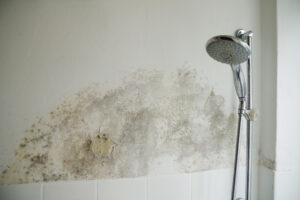
What to watch for: discoloration on ceilings below bathrooms, peeling paint, or soggy grout lines.
3. Basements
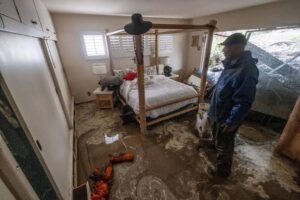
Basements often top the list for water damage hotspots. Being below ground level makes them especially vulnerable to both indoor plumbing problems and outside groundwater seepage.
Common basement water damage sources include:
- Foundation cracks letting in groundwater
- Sump pump failures during heavy rains
- Leaking water heaters
- Burst or frozen pipes
Since basements are not always used daily, damage can go unnoticed for weeks, making routine inspections important.
4. Attics
It might surprise some people, but attics are another common place for water damage. Roof leaks, poor insulation, and ventilation issues can cause hidden moisture that damages wood framing and insulation.
Typical attic water issues:
- Roof leaks from missing shingles or damaged flashing
- Ice dams in colder climates causing water backup
- Condensation from poor ventilation
Look for: damp insulation, musty smells, or stains on ceilings below.
5. Laundry Rooms
Washing machines are notorious for causing water issues when hoses crack, seals fail, or drains clog. Because laundry areas are often tucked away, leaks may spread before anyone notices.
Key risks include:
- Worn or burst washing machine hoses
- Overflowing or clogged drains
- Leaky utility sinks
Adding a water sensor near laundry equipment is a great way to catch early leaks.
6. Water Heaters & Utility Areas
Water heaters, boilers, and HVAC units are major culprits of indoor water damage. Whether from corrosion, pressure buildup, or condensation, these appliances can release a surprising amount of water.
Common issues include:
- Tank corrosion leading to leaks
- Condensation forming around HVAC ducts
- Malfunctioning safety valves
Since these systems are often tucked into basements, closets, or garages, leaks may go unnoticed until significant damage has occurred.
7. Ceilings & Walls
Sometimes water damage isn’t from the room you’re standing in at all, it’s coming from above or inside the walls. Pipe leaks, roof issues, or bathroom overflows upstairs can travel through drywall and insulation.
Watch for:
- Stains or bubbling paint on ceilings and walls
- Soft drywall or warping
- Peeling wallpaper
These signs often point to hidden leaks that need immediate professional inspection.
8. Windows & Doors
Windows and exterior doors are vulnerable entry points for moisture. Poor seals, broken caulking, or heavy rainstorms can cause water to seep indoors.
Signs of water intrusion include:
- Warped or rotting window frames
- Condensation buildup between panes
- Soft wood around doors and windows
Even small leaks here can cause mold growth in walls and framing.
9. Crawl Spaces
Crawl spaces often go unchecked, making them a perfect place for hidden water issues. Groundwater seepage, plumbing leaks, and poor ventilation all contribute to moisture problems.
Crawl space water risks:
- Standing water from poor drainage
- High humidity leading to mold and wood rot
- Burst pipes in colder weather
Regular crawl space checks can save thousands in structural repairs later.
10. Hidden Plumbing & Pipes
Finally, one of the most frustrating sources of water damage comes from hidden pipes inside walls, ceilings, and floors. Corroded pipes, loose joints, or high water pressure can cause slow leaks that go unnoticed for months.
Clues to hidden leaks include:
- Unexplained spikes in your water bill
- Persistent damp smells
- Mold patches appearing on drywall
When to Call the Professionals
Sometimes small leaks can be handled quickly, but more often than not water damage runs deeper than what’s visible. If you see stains, smell mustiness, or notice pooling water, it’s time to call in experts like Water Rehab & Restoration. We specialize in fast, thorough water damage restoration, making sure hidden issues are uncovered, moisture is fully removed, and your home or business is restored safely.
By knowing the areas where water damage is most likely to occur, you can stay ahead of water damage and protect your property investment. If you suspect a problem, don’t wait—call Water Rehab & Restoration for expert help with water damage restoration and peace of mind.