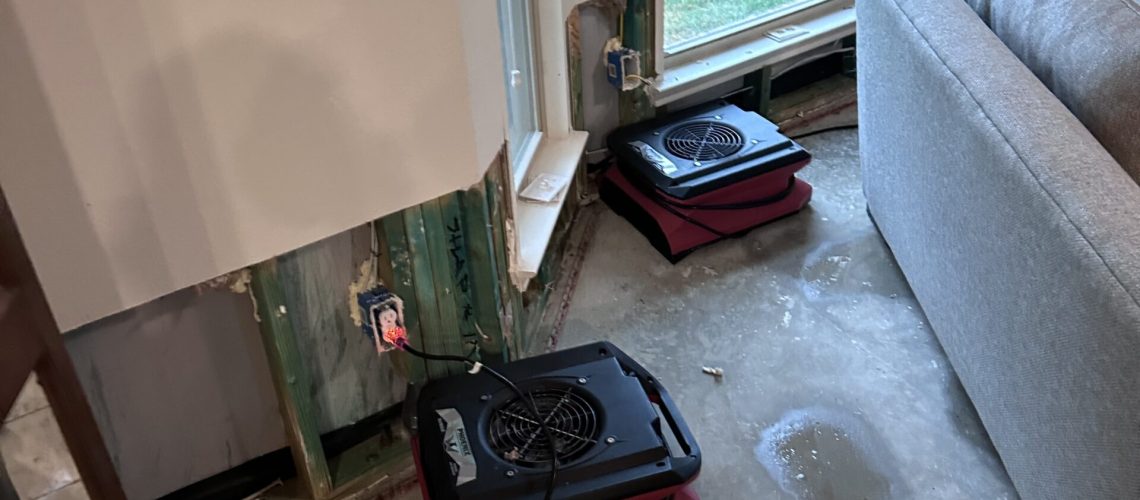
Water damage may seem like a minor inconvenience at first, like a wet spot on the carpet or a small leak behind the wall. But when it’s left untreated, it can quickly evolve into a serious problem that affects your property, health, and wallet. At Water Rehab & Restoration, we’ve seen firsthand how small water issues can snowball into major repairs when ignored. In this guide, we’ll break down exactly what happens when water damage is left untreated and why acting fast can save you a lot of stress and money in the long run.
Key Takeaways
- Untreated water damage leads to serious structural issues, including rotting wood, sagging drywall, and foundation cracks.
- Mold growth can begin in as little as 24 hours, bringing health risks like allergies and respiratory problems.
- Electrical systems can become hazardous, with increased risks of fires and shocks.
- Delays increase repair costs dramatically. What starts as minor damage can turn into full-scale restoration needs.
- Damp conditions attract pests like termites, cockroaches, and rodents.
- Musty odors and poor indoor air quality often follow untreated water damage.
- Your property value can plummet if water damage is not properly handled.
- Water damage spreads, causing secondary issues in other parts of your home.
- Insurance claims may be denied if you don’t act quickly.
Structural Damage That Worsens Over Time
Water is one of the most destructive elements a structure can face. Left untreated, even a small leak can weaken walls, floors, and ceilings over time.
- Wood rot: Moisture causes wooden structures like joists, beams, and framing to soften and decay. This weakens the overall structure of your home and can lead to expensive repairs or even collapse, in severe cases.
- Drywall deterioration: Waterlogged drywall becomes brittle, discolored, and eventually crumbles. It also becomes a breeding ground for mold (more on that below).
- Foundation issues: If water seeps into your foundation and isn’t addressed, it can cause cracks, shifting, and long-term instability. The cost to repair foundation damage is far greater than the cost of quick water mitigation.
Mold Growth and Health Concerns
One of the biggest consequences of untreated water damage is mold, and it doesn’t take long for it to show up. In as little as 24 to 48 hours, mold spores can start growing in wet or damp areas.
- Health risks: Mold can trigger allergic reactions, respiratory problems, skin irritation, and more—especially for children, seniors, and anyone with asthma or immune conditions.
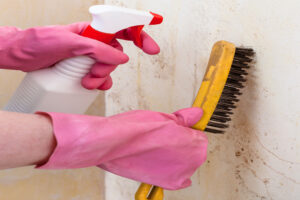
- Hidden Growth: Mold doesn’t always grow out in the open. It often thrives behind walls, under flooring, or in ceiling cavities where you won’t see it until the damage is severe.
- Contamination: Once mold takes hold, it contaminates indoor air quality and can require professional remediation to remove safely and completely.
Electrical Hazards
Water and electricity are a dangerous mix. If water damage reaches electrical wiring, outlets, or appliances, it can create major safety issues.
- Short circuits: Wet wiring can cause electrical shorts, which can damage electronics or even spark fires.
- Shock risks: Exposed wiring in damp conditions can pose a serious electrocution hazard to anyone in the area.
- System failures: Electrical panels and HVAC systems can be compromised, leading to system-wide failures and costly replacements.
Increased Repair Costs
Water damage doesn’t fix itself, but as time goes by it spreads and gets worse. The longer it’s left untreated, the more it will cost you in the end.
- Simple fix vs. major overhaul: What starts as a minor patch-up could escalate to the need for demolition, reconstruction, or full mold remediation.
- Insurance challenges: Many insurance policies only cover water damage if it’s addressed immediately. Waiting could put your claim at risk or reduce your reimbursement.
- Loss of belongings: Furniture, electronics, clothing, and other valuables are often damaged beyond repair the longer they stay exposed to moisture.
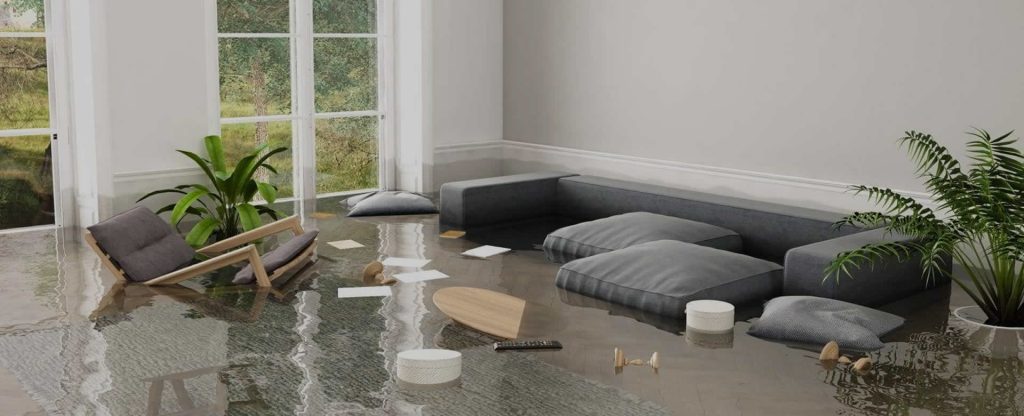
Pest Infestations
Standing water and damp materials are a magnet for insects and rodents.
- Termites: Moist wood is an ideal food source and habitat for termites, which can cause severe structural damage.
- Cockroaches and ants: Many insects are drawn to moisture, especially in kitchens, bathrooms, and basements.
- Rodents: Wet, dark spaces often attract mice and rats, who can cause further damage and bring health risks into your home.
Unpleasant Odors and Indoor Air Quality Issues
Have you ever walked into a house that just smells musty? That’s likely untreated water damage.
- Stale, damp smells: Moisture trapped in walls, carpets, and insulation emits odors over time.
- Air contaminated with mold: Even when mold isn’t visible, the air in your home can carry fungal spores, making it unpleasant (and unhealthy) to breathe.
- Lingering smoke or sewer smells: In cases where water damage comes from fire suppression or sewage backups, strong and harmful odors can persist for months without proper cleanup.
Decreased Property Value
Whether you’re planning to sell soon or sometime in the future, untreated water damage is a major red flag for buyers.
- Failed inspections: Home inspectors are trained to spot signs of water damage. Any active or past issues can scare off buyers or lower offers.
- Disclosure laws: In many states, you are legally required to disclose known water damage, even if it’s been repaired.
- Appraisal impact: Water damage can significantly reduce a home’s appraised value, making it harder to refinance or sell.
More Significant Water Damage as Time Passes
Water rarely stays where it starts. Over time, it seeps, spreads, and finds new pathways to cause trouble.
- A Slow but steady spread: Water can creep upward into walls, behind cabinets, or into insulation.
- Wicking through flooring: Water may move laterally through subfloors or carpet padding, making the damage more widespread than it appears.
- Secondary damage: Once materials become saturated, the moisture often transfers to adjacent areas, making cleanup and drying more complex.
Don’t Wait—Call Water Rehab & Restoration Today
At Water Rehab & Restoration, we know how quickly water damage can go from a small nuisance to a major emergency. That’s why we act fast, use top-tier drying equipment, and offer full-service water restoration you can trust. Whether it’s a burst pipe, roof leak, or flood cleanup, our experienced team is here to help you reclaim your home or business safely and efficiently.
Don’t let water damage linger. Call Water Rehab & Restoration today and let us make things right.