Spring storm water damage is a major concern for homeowners across Texas. Heavy rain, flash flooding, and strong winds can quickly lead to costly property damage. In many cases, water enters homes through roof leaks, foundation cracks, or overwhelmed drainage systems.
Texas spring storms often arrive suddenly. As a result, homeowners may not notice water intrusion until the damage becomes severe. Acting quickly is important because standing water and hidden moisture can lead to structural problems and mold growth.
At Water Rehab & Restoration, we help Texas homeowners protect their properties during storm season. In this guide, we explain how spring storms cause water damage, warning signs to watch for, and what you should do after a storm.
Key Takeaways
- Spring storms in Texas often cause serious water damage and flooding
- Heavy rain can lead to roof leaks, foundation moisture, and indoor flooding
- Mold growth may begin within 24–48 hours after storm-related water damage
- Fast water extraction and structural drying help reduce long-term damage
- Professional water damage restoration services protect homes and prevent costly repairs
Why Spring Storms Cause Water Damage in Texas
Texas weather can be unpredictable during spring. Strong thunderstorms, flash flooding, and heavy rainfall frequently impact homes across Dallas and North Texas. Because storms often develop quickly, many properties become vulnerable to water intrusion.
Spring storms create multiple risks for homeowners. Rainwater may seep through roofs, damaged siding, or foundation cracks. Additionally, clogged gutters and poor drainage systems can direct water toward the home rather than away from it.
Another major issue is soil expansion. Texas soil absorbs water rapidly during storms. As the ground shifts, it may put pressure on foundations and allow moisture to enter basements or crawl spaces.
Common Reasons Spring Storms Cause Water Damage
- Flash flooding and storm runoff
- Roof leaks caused by strong winds
- Overflowing gutters and drainage systems
- Foundation cracks from saturated soil
- Broken windows or damaged siding
- Indoor flooding from heavy rainfall
Many homeowners do not realize how quickly water damage spreads. If left untreated, moisture may affect insulation, drywall, flooring, and structural materials.
For more information on early warning signs, you can also explore our guide on What Are the Common Signs of Water Damage?
Common Types of Storm Water Damage
Storm-related water damage affects homes in different ways. Some issues are immediately visible, while others remain hidden for days or weeks. Because of this, professional inspections are often necessary after severe storms.
Water damage after storms usually spreads through building materials very quickly. Moisture can travel inside walls, ceilings, and flooring, even when surfaces appear dry. This hidden moisture often leads to mold growth and structural damage.
Key Factors That Speed Up Mold Growth
Roof Leak Water Damage
Roof damage is common after Texas spring storms. High winds can loosen shingles or damage flashing around vents and chimneys. Once rainwater enters the roof, it may spread through ceilings and walls.
Flood Damage and Standing Water
Heavy rain and flash flooding often create indoor flooding. Water entering through doors, garages, or foundation cracks can quickly saturate flooring and drywall.
Floodwater may also contain contaminants. Therefore, professional water extraction and sanitation are often required after severe flooding.
Foundation Moisture Damage
Saturated soil around a home can place pressure on the foundation. Over time, this pressure may create cracks that allow water to seep indoors.
Foundation moisture problems are especially common in North Texas due to shifting clay soil.
If you are unsure whether your property has hidden damage, our Water Damage Checklist – Here’s What to Look For provides additional guidance.
Signs of Water Damage After Heavy Rain
Storm-related water damage is not always obvious immediately after a storm. In many cases, homeowners discover the damage days later. This is why inspections are extremely important after heavy rainfall.
Even small amounts of moisture can create long-term problems if ignored. Recognizing the warning signs early helps reduce repair costs and prevents mold growth.
Common Signs of Storm Water Damage
- Water stains on ceilings or walls
- Musty odors inside the home
- Bubbling paint or peeling wallpaper
- Wet carpet or warped flooring
- Mold growth or dark discoloration
- Dripping sounds inside walls or ceilings
Additionally, increased humidity indoors may indicate hidden moisture problems. If you notice any of these signs, immediate drying and water mitigation services are recommended.
For more details, you can read our article on What Happens if Water Damage Is Left Untreated?

How to Protect Your Home During Spring Storms
Preventing water damage before storms arrive is one of the best ways to protect your property. While no home is completely storm-proof, proper maintenance can significantly reduce risks.
Homeowners across Texas should prepare their properties before storm season begins. Regular inspections and small repairs often prevent major water damage later.
Spring Storm Water Damage Prevention Tips
- Clean gutters and downspouts regularly
- Inspect roofs for missing shingles or damage
- Seal cracks around windows and doors
- Check foundations for visible cracks
- Install sump pumps if flooding is common
- Trim trees near the home to reduce storm damage risk
It is also important to monitor drainage around your property. Water should always flow away from the home, not toward it.
Additionally, homeowners should review insurance policies before storm season. Understanding your coverage can help avoid surprises after severe weather.
You can also learn more by reading our blog on Tips for Preventing Water Damage in Your Home or Business.
What to Do Immediately After Storm Water Damage
The first few hours after storm water damage are critical. Quick action helps minimize damage and reduces the risk of mold growth.
However, safety should always come first. Floodwater may contain contaminants, and electrical hazards are common after storms.
Immediate Steps to Take After Water Damage
- Turn off electricity if safe to do so
- Stop additional water intrusion if possible
- Remove valuable belongings from wet areas
- Take photos for insurance documentation
- Contact a professional water damage restoration company
Fast water removal and structural drying are essential because mold can begin growing within 24–48 hours.
At Water Rehab & Restoration, our emergency response team provides rapid water extraction and drying services across Texas.
When to Call Water Damage Restoration Professionals
Some minor moisture issues can be cleaned up quickly. However, larger storm-related water damage situations require professional restoration services.
Water often spreads deeper into structures than homeowners realize. Moisture trapped inside walls, insulation, or subfloors can continue causing damage long after surfaces appear dry.
Professional restoration companies use advanced equipment such as:
- Industrial air movers
- Commercial dehumidifiers
- Moisture detection tools
- Structural drying systems
These tools help remove hidden moisture and prevent long-term structural problems.
You should call professionals if:
- Floodwater entered the home
- Water damage covers multiple rooms
- Mold growth is visible
- The property smells musty
- Structural materials remain wet after 24 hours
Professional restoration also helps reduce the chances of future mold remediation expenses.
How Spring Storms Increase Mold Growth Risks
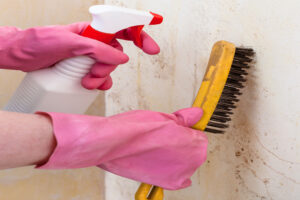
Mold growth is one of the most common consequences of storm water damage. Because Texas spring weather is often humid, damp conditions allow mold spores to spread quickly.
Mold may begin growing within 24–48 hours after water exposure. Hidden moisture inside drywall and insulation creates ideal conditions for microbial growth.
Common Mold Growth Areas After Storms
- Behind drywall
- Under carpets and flooring
- Inside insulation
- Around HVAC systems
- Beneath the roof, there are leaks
This is why professional drying is so important after storm-related water damage.
For additional prevention tips, visit our article on How to Prevent Mold Growth After Water Damage.
Frequently Asked Questions
How do spring storms cause water damage in Texas homes?
Spring storms can cause water damage through heavy rain, flash flooding, roof leaks, and foundation cracks. In Texas, strong storms often overwhelm drainage systems, allowing water to enter homes quickly. If left unaddressed, storm-related water damage can lead to mold growth and structural problems.
What should homeowners do after spring storm water damage?
After spring storm water damage, homeowners should remove standing water, document the damage for insurance, and contact a professional restoration company. Fast water extraction and structural drying help prevent mold growth and reduce long-term property damage.
Can heavy rain cause hidden water damage?
Yes, heavy rain can cause hidden water damage inside walls, ceilings, insulation, and subfloors. Even if surfaces appear dry, moisture may still be trapped within building materials. Professional moisture detection helps identify hidden damage before mold and structural issues develop.
Does homeowners' insurance cover stormwater damage?
Homeowners insurance often covers sudden storm-related water damage, such as roof leaks caused by severe weather. However, flood damage from rising water may require separate flood insurance coverage. Reviewing your policy before storm season is important for understanding your protection.
How quickly should storm water damage be cleaned up?
Storm water damage should be cleaned up within 24–48 hours to reduce the risk of mold growth and structural damage. Quick water removal, drying, and dehumidification help protect the home and prevent costly repairs after severe Texas storms.
Protect Your Texas Home From Spring Storm Water Damage
Spring storms in Texas can cause serious property damage in a matter of hours. However, fast action and proper preparation help reduce long-term risks.
At Water Rehab & Restoration, we provide professional storm damage cleanup, water extraction, and structural drying services for homeowners across Texas. Our experienced team responds quickly to minimize damage and restore homes safely.
Call Water Rehab & Restoration Today
If your home has experienced spring storm water damage, do not wait for the problem to become worse. Moisture spreads quickly and may lead to mold growth or structural damage.
Contact Water Rehab & Restoration today for 24/7 emergency water damage restoration services in Texas. Our team is ready to help protect your home and restore your peace of mind.