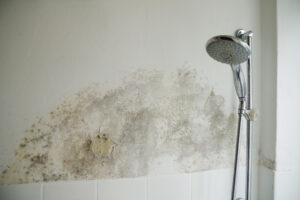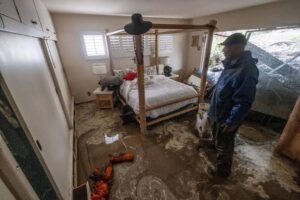
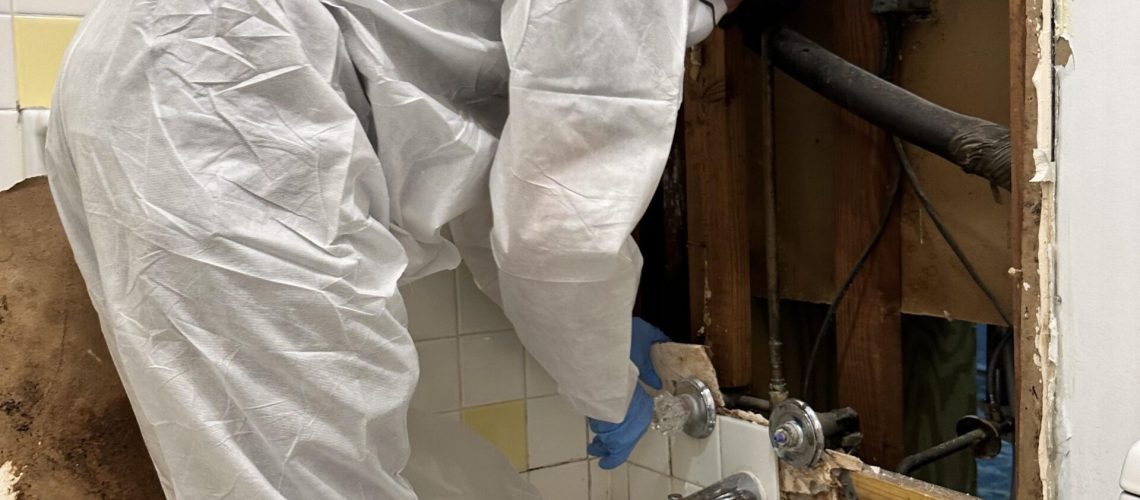
When most people think of mold, they picture homes with long-term water issues. Maybe an old, leaky basement or a house that experienced major flooding, but here’s the truth: even a one-time water leak can be enough to start mold growth if it’s not handled quickly or properly. At Water Rehab & Restoration, we’ve seen this happen more times than we can count. A pipe bursts, a toilet overflows, a washing machine hose comes loose… just one accident, and before you know it, you’re dealing with a mold problem that could’ve been prevented.
Let’s break it down so you can understand exactly what to watch for, what to do, and how to protect your home from mold, even after a single leak.
Key Takeaways
- Even a one-time water leak can lead to mold if not properly dried.
- Mold can begin to grow within 24-48 hours after a leak.
- Humidity and trapped moisture are key contributors to mold growth, especially in Texas
- DIY drying methods are often not enough to prevent hidden mold.
- Hidden mold can develop in walls, floors, insulation, cabinets, and HVAC systems.
- Professional moisture detection and drying tools can prevent mold problems.
- Calling a certified water damage restoration company is the best way to protect your home after a leak.
- Gray water or sewage leaks dramatically increase the risk of mold.
- A musty odor or visible discoloration may signal hidden mold growth.
Mold Doesn’t Need Much to Grow
Mold spores are already in the air around us. That part is completely normal. The problem starts when those spores find a damp, warm, dark place to settle and grow. Once that happens, mold can begin to spread in as little as 24 to 48 hours. Just one or two days after a water leak, mold can begin to form if the area isn’t completely dried out.
This is especially true here in Texas, where high humidity levels can make matters worse. Even after you’ve mopped up the visible water, moisture can linger in drywall, baseboards, carpets, and behind cabinets. That trapped moisture is like an open invitation for mold to move in.
One Leak, Big Trouble
Let’s say you had a minor leak under your kitchen sink. You cleaned up the puddle, wiped down the cabinet, and called it a day. But what you might not realize is that moisture could still be trapped in the wood or drywall behind that cabinet. If there’s not enough ventilation or you don’t bring in fans or dehumidifiers, mold can start growing out of sight, and it can spread quickly.
We’ve seen homeowners deal with mold problems weeks or even months after a one-time leak, completely unaware that a single incident was the trigger. It’s not about how big the leak was, it’s about whether it was thoroughly dried.
The Type of Water Matters
Not all leaks are created equal. Clean water from a supply line is one thing, but a leak involving gray water (like from a washing machine or dishwasher) or black water (like from a backed-up sewer or toilet) is a whole different story. These types of water are full of contaminants that make it easier for mold and bacteria to thrive.
If you’ve had a leak involving dirty water, the risk of mold increases dramatically. In these situations, professional cleanup isn’t just recommended. It’s essential.
Where Mold Likes to Hide After a Leak
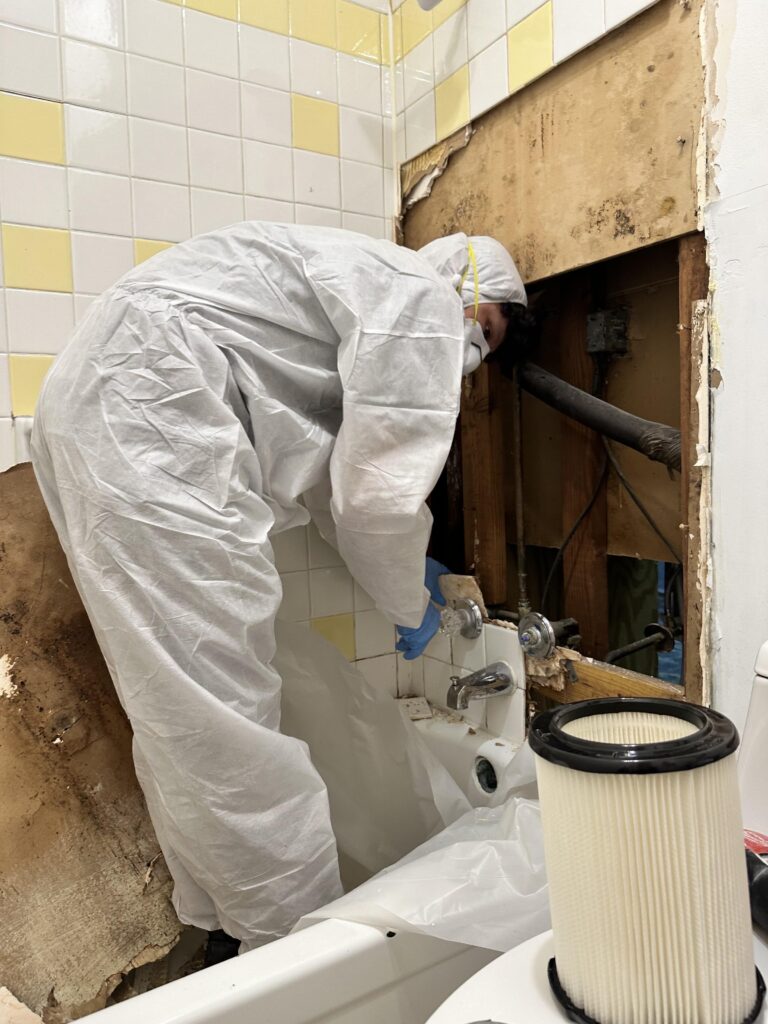
After a one-time leak, here are some of the most common places we find hidden mold:
- Behind walls and baseboards
- Under carpeting or wood flooring
- Inside cabinets or vanities
- Inside HVAC systems and ductwork
- Around insulation or inside crawlspaces
You might not see it at first, but you may start noticing musty smells, allergic reactions, or discolored patches on walls or ceilings. These are all signs mold may be present.
Don’t Rely on DIY Alone
Nobody wants to call in professionals if they think they can handle the problem themselves, but even if the leak
seems small, it’s incredibly easy to miss hidden moisture. Home drying methods like fans, open windows, or towels just aren’t enough in most cases. That’s why we use specialized moisture meters and thermal imaging tools to check behind walls, under floors, and inside hard-to-reach spaces.
By catching moisture that the eye can’t see, we can prevent mold from getting a foothold and causing bigger (and more expensive) problems down the road.
How We Help at Water Rehab & Restoration
When you call Water Rehab & Restoration after a water leak, we act fast. Our team is trained to not only clean up the water but to inspect your home for any areas where moisture may be hiding. We use industrial-grade drying equipment and advanced tools to ensure that your property is completely dry, and we’ll check for any signs of mold that may already be forming.
If we find mold, we can take care of that too, safely, thoroughly, and with the care your home deserves. We follow industry standards to remove the mold, treat the affected areas, and make sure your space is healthy again.
Prevention Tips: What You Can Do
While we’re always here to help, there are a few simple things you can do after a leak to minimize the risk of mold:
- Act quickly: Time is critical. The faster you start drying, the better.
- Remove standing water: Mop it up, but don’t stop there.
- Use fans and dehumidifiers: Dry the air and the materials.
- Pull back rugs and carpets: Moisture can linger underneath.
- Call a pro for help: Especially if the leak was large, lasted a while, or you’re not sure if the area is truly dry.
Let Us Help You Keep Mold Out
At Water Rehab & Restoration, we’ve made it our mission to help Texas homeowners bounce back fast from water damage and stop mold before it starts. If you’ve experienced even a one-time leak, don’t wait until mold becomes a bigger issue. Our team is ready to respond quickly, assess the situation thoroughly, and restore your peace of mind with expert drying and mold prevention services.
Even one leak is one too many when it comes to protecting your home. Reach out today to schedule a moisture inspection or get help with water cleanup.